From the Cairngorms to the Himalayas: The park welcomes summer newborns
Posted 19 Jun 2026 in Highland Wildlife Park
Newborn season is fully underway at Highland Wildlife Park, with many new (and tiny) faces to spot around the park on your next visit. Set against the backdrop of the Cairngorms, the park is home to species from mountain habitats around the world. These animals help us share stories of life in some of the planet’s most spectacular landscapes.
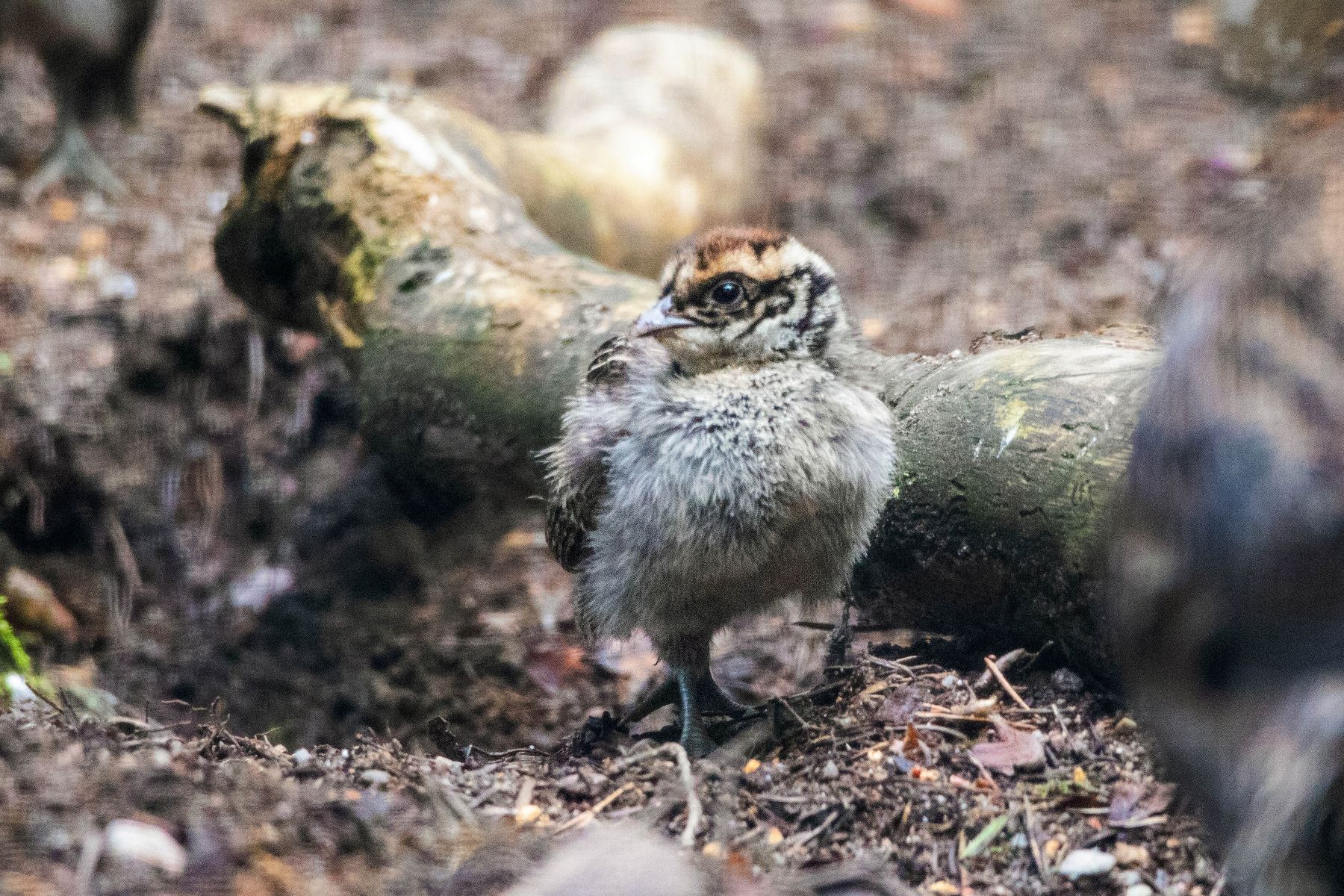
We have long been home to two Himalayan monals, but this year marks the first breeding year for the pair, with chicks hatching in late May. Visitors will be able to see proud parents, mother Monal Lisa and father Monalsodium Glutamate, with their three chicks in their habitat at the park’s Wildcat Wood.
As the name suggests, Himalayan monals are found across the Himalayan mountains, spanning countries like Afghanistan, Pakistan, India and Nepal. Culturally, it is an important species for many groups. For example, it is the national bird of Nepal. Known locally as the 'danphe', the species is revered in Nepalese folklore as a symbol of pride, prosperity and peace.
This beautiful ground bird is a member of the pheasant family. Like many such species, the plumage of the females is subtle, helping them keep camouflaged on the alpine hills they call home. This is especially helpful during the nesting period. Their native habitat is home to many predators, including eagles and hawks, snow leopards, wild cats and foxes – these hunters are all just waiting to strike at a bird minding its clutch.
The appearance of male monals is the complete opposite. They are notable for their spectacular colours of blue, green, purple, red and orange. The gloss of their feathers also plays with the light, giving them a spectacular metallic sheen. This look is impressive throughout the year, but during breeding season it really comes into its own as the male performs elaborate, flamboyant dances to attract a mate.
While the wild population of monals is largely stable, they do face localised threats from human activities. The bird is a victim of poaching for food and trophies and habitat loss from human development.
Our small family of monals, alongside the park’s other animals from their native region, including our snow leopards, tahr and Mishmi takin, provide us a valuable opportunity to share their stories and build a passion for nature. We hope people will be more inclined to do what they can to protect it.
While the new monal hatchlings give us a chance to glimpse life in the Himalayan mountains, some of this year's newest arrivals have a story much closer to home.
Among our latest arrivals are several red deer calves. A familiar sight in the Scottish countryside, red deer are always a favourite with visitors, and the newest members of the herd can now be seen in the drive-through reserve. While they will grow up to be the nation’s largest land mammal, they are currently still small and donning their spotted coat. This makes them a little harder to spot than the adults, as they are camouflaged in with vegetation and undergrowth. As they mature, this coat will be replaced by the species’ iconic rich red-brown coat.
Our red deer, alongside our other native species including wildcats and pine martens, help bring Scotland’s natural heritage to life, encouraging visitors to explore and appreciate the wildlife found right here at home.
Welcoming these newborns to Highland Wildlife Park has been a real highlight, and we can’t wait for visitors to follow their journey as they grow and develop over the coming months. Don’t forget to share your favourite moments and photographs with us on social media.
Lucy Petrie, animal operations manager at Highland Wildlife Park
.jpg)