Pine marten
Martes martes
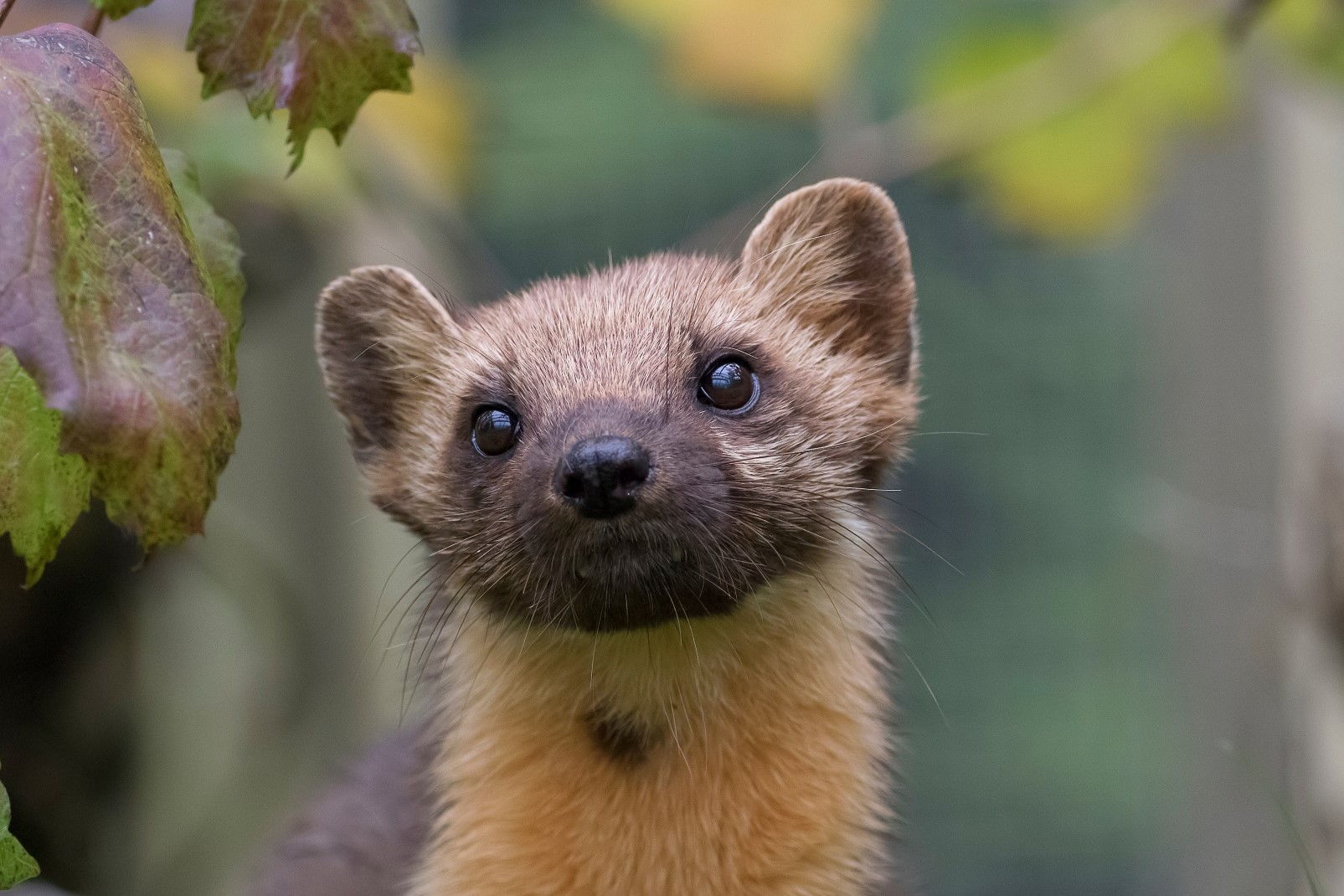
We are home to a pine marten called Flora.
She was born in Welsh Mountain Zoo in March 2025 and joined us at the park in December 2025.
Pine martens can be tricky to spot because of their character and habitat. They are keen hunters and are super stealthy and generally shy. However, their curious nature can draw them into sight. Their preferred habitat is a mature forest with lots of ground cover for hiding and hollows for dens.
As omnivorous, pine martens eat fruits and berries, as well as voles and small birds, eggs and insects. In the wild, they help control grey squirrel populations. This is because they outcompete greys while coexisting with native red squirrels.
Pine martens are native to Britain. They were once widespread but declined due to persecution, deforestation and hunting. In Scotland, numbers are recovering thanks to legal protections and reintroduction efforts. The species remains Critically Endangered in England and Wales.
Population

Increasing
Diet

Omnivore
Habitat

Forest
Fact file
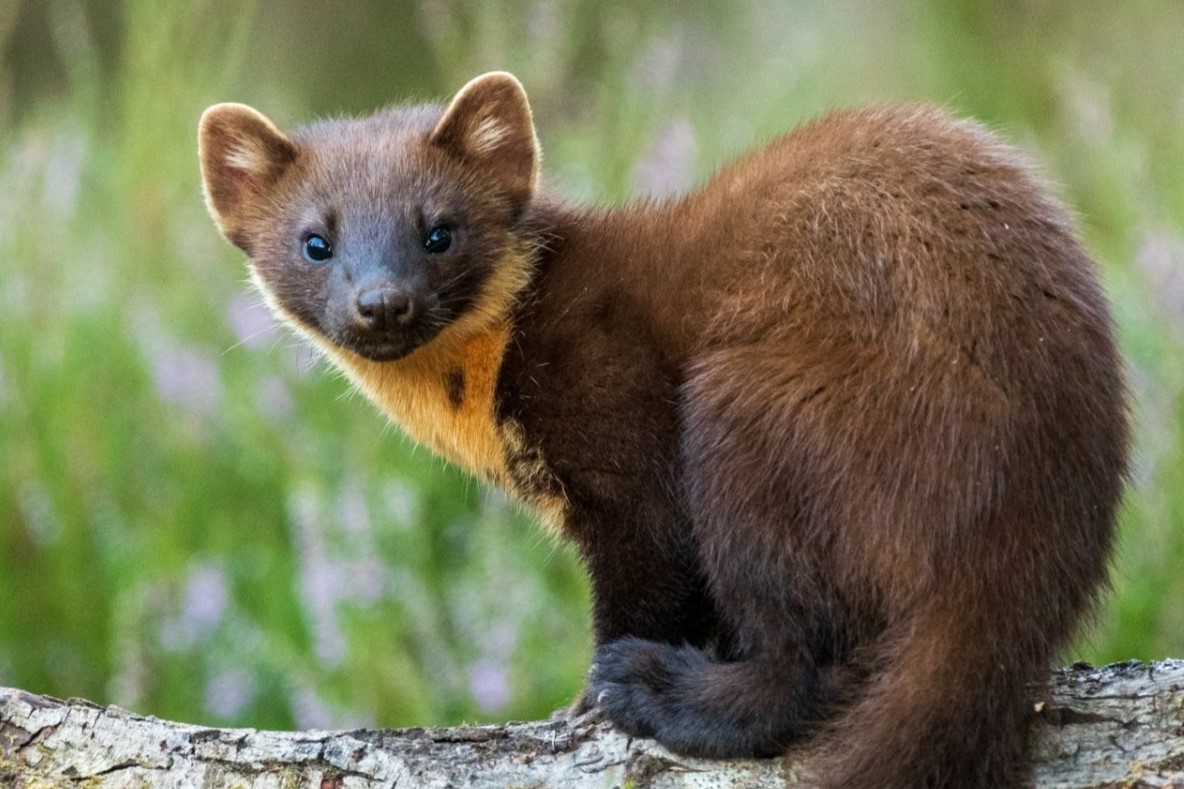
Each pine marten has a unique cream bib on its throat and chest like a fingerprint
They are in the Mustelid family, along with weasels, otters and badgers
Their diet changes with the seasons - they eat more fruit and berries in summer and autumn
Measure between 50–70 cm long, including their tail, and can weigh up to 2kg
How we're helping
Like all the animals in our care, our pine marten is an amazing ambassador for relatives in the wild and help hundreds of thousands of people connect with nature every year. They encourage visitors to learn about the threats facing wildlife and the action they can take to help create a world where nature is protected, valued and loved.
As a wildlife conservation charity, we care for the animals here at the zoo and work to protect species at risk around the world. From providing expertise in genetics and veterinary health, to protecting wild places with local conservation partners, and even restoring threatened species to the wild, we are active where we are needed most.
Find out more about RZSS conservation